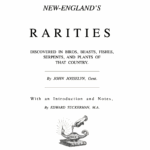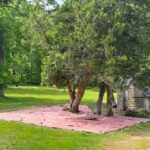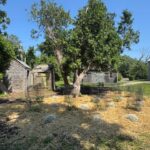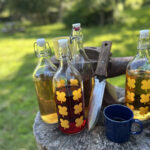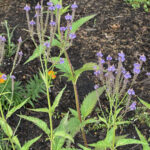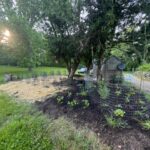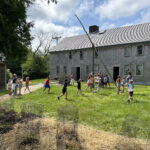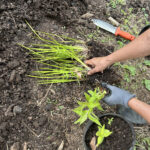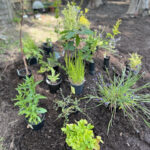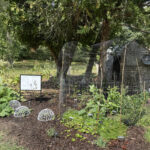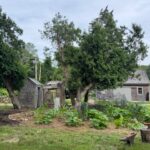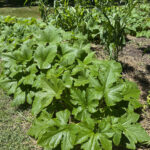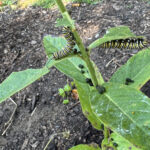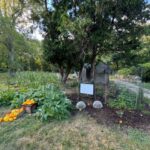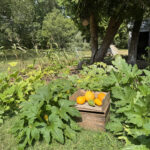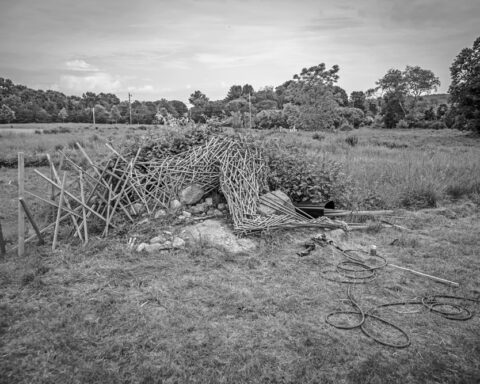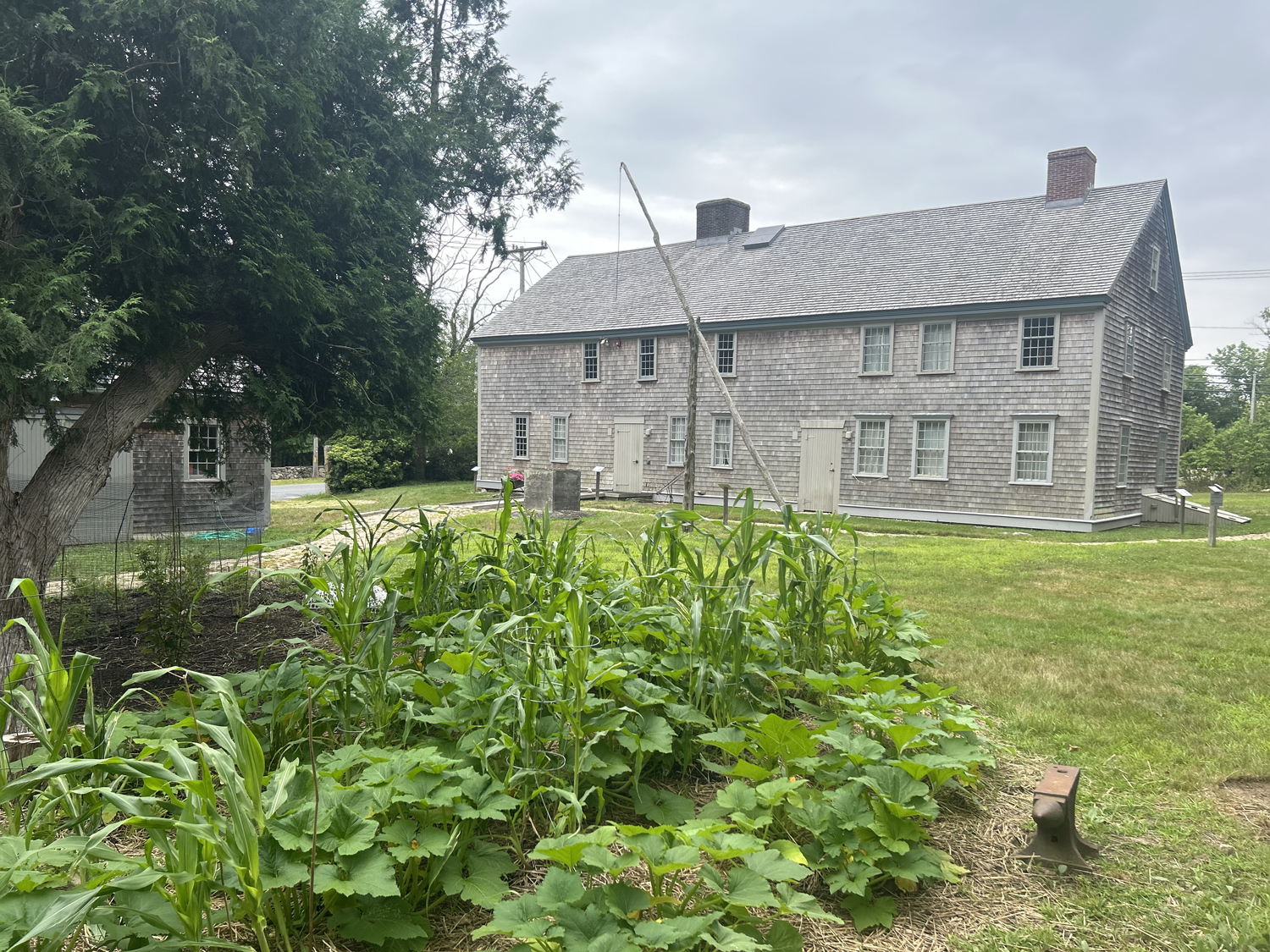
This summer, artists Merri Cyr and Tina Tryforos created a 17th-century perennial garden at the Handy House, inspired by New-England’s Rarities Discovered in Birds, Beasts, Fishes, Serpents, and Plants of that Country (1671) by early colonial visitor John Josselyn. Guided by Josselyn’s vivid descriptions, we focused on plants used by the Indigenous peoples he encountered, as well as species he identified for their medicinal value. The new garden expands upon the existing Handy House plantings, which draw from Dr. Handy’s notes and historical documentation of local medicinal and food plants.
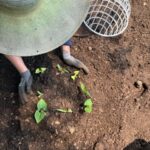
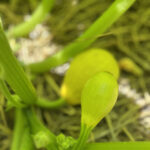
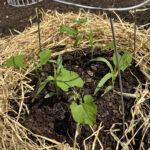
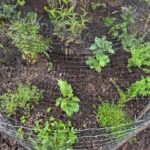
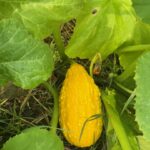
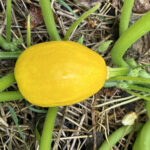
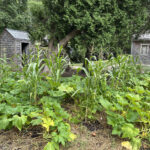
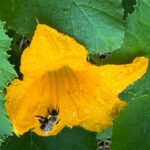
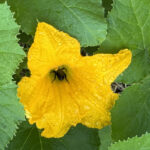
Adjacent to this space, we established a Three Sisters companion garden, demonstrating a traditional Indigenous agricultural technique practiced for centuries across Central and North America—including by many Native peoples of New England. In this mutually supportive system, corn offers a natural trellis for climbing beans; the beans enrich the soil by fixing nitrogen; and the broad leaves of squash shade the earth, preserving moisture and suppressing weeds.
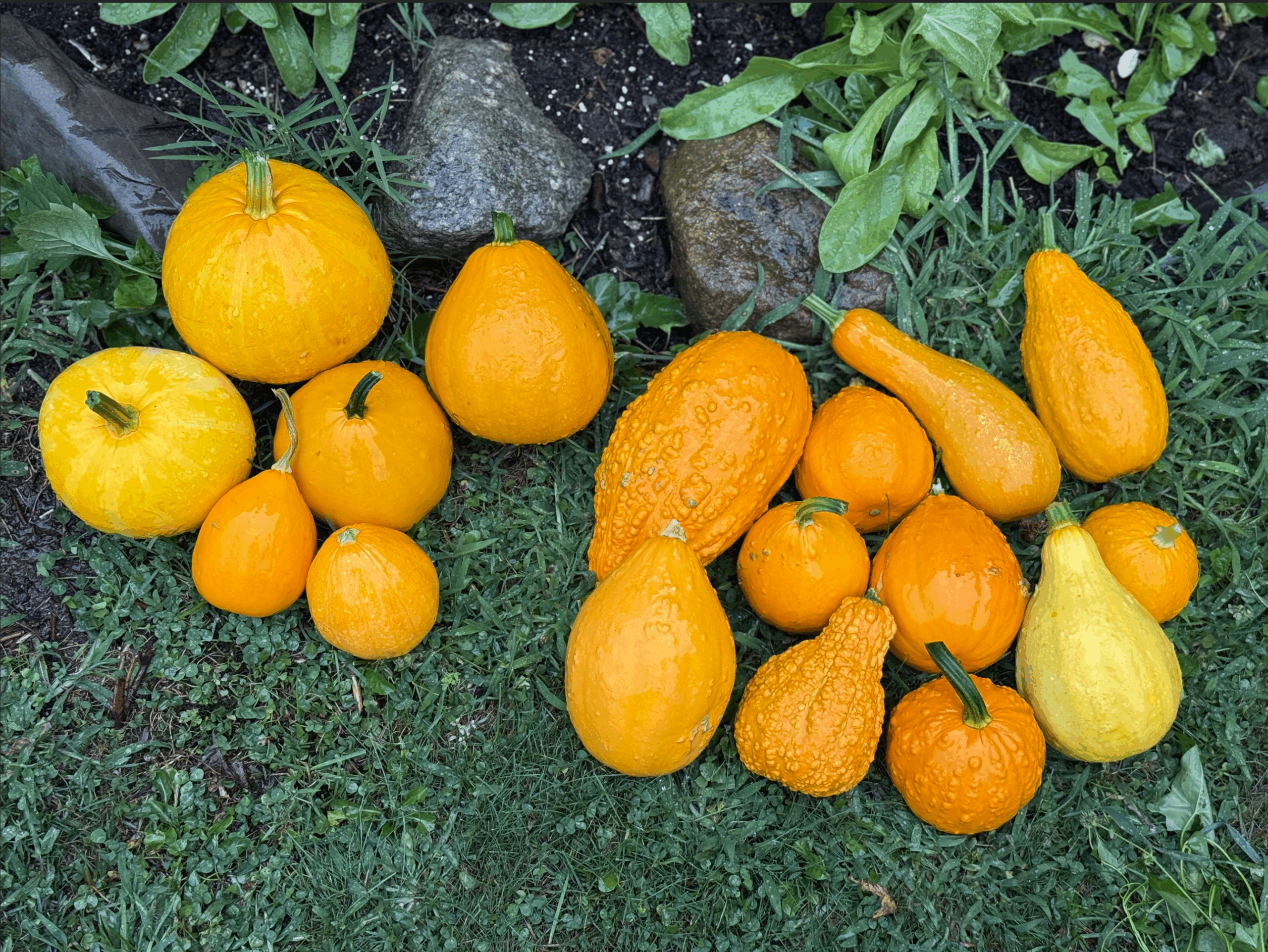
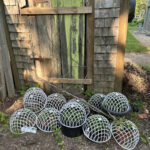
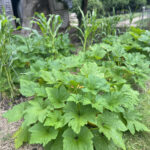
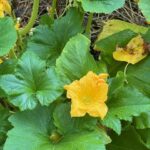
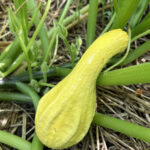
Our plantings include regionally significant and culturally important varieties: Metacom corn, Niantic/Narragansett 12330 beans, Narragansett Rabbit Painted Hide Shirt beans, and Whauksis Fox and Pale Grey Hubbard squash. These seeds were generously provided by Westport scientist and farmer Bill Braun through the Freed Seed Federation, an organization dedicated to the preservation and diversification of place-based seed.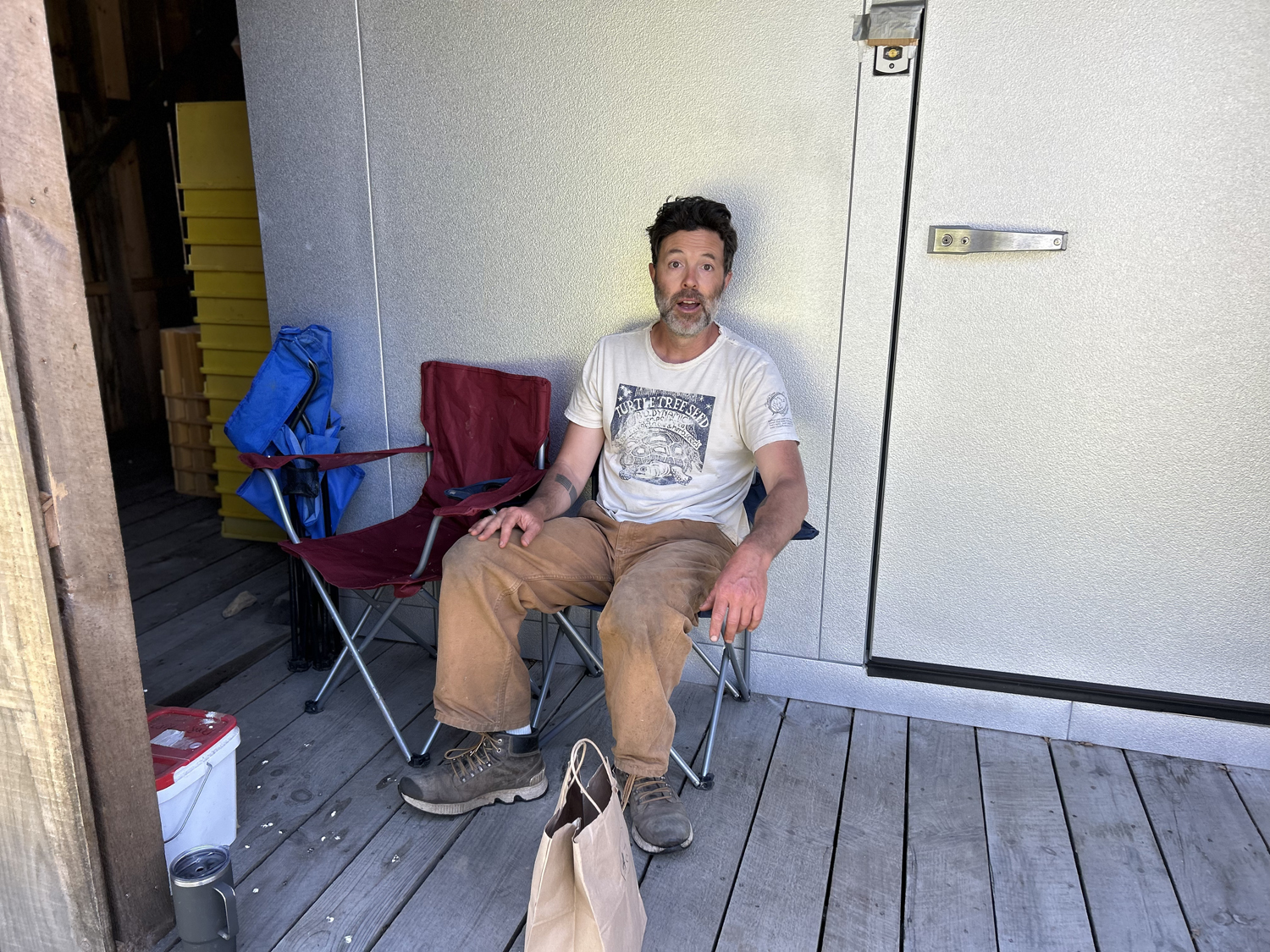 Despite the challenges of a dry summer—along with insects, plant disease, and hungry wildlife—the corn grew tall, the squash thrived, and we will be able to return seeds to the Federation’s archive. The perennial garden is now labeled and steadily establishing itself.
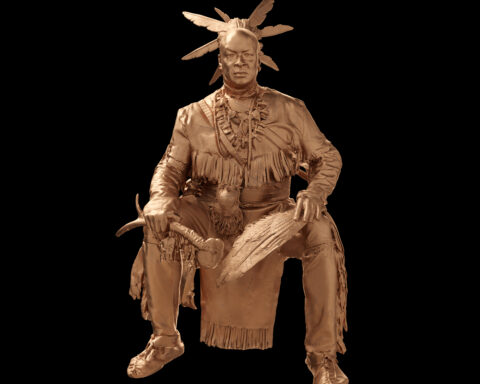
Looking ahead, we hope to create artworks inspired by Josselyn’s meticulous observations and delightfully idiosyncratic insights into life in New England long before the formation of the United States.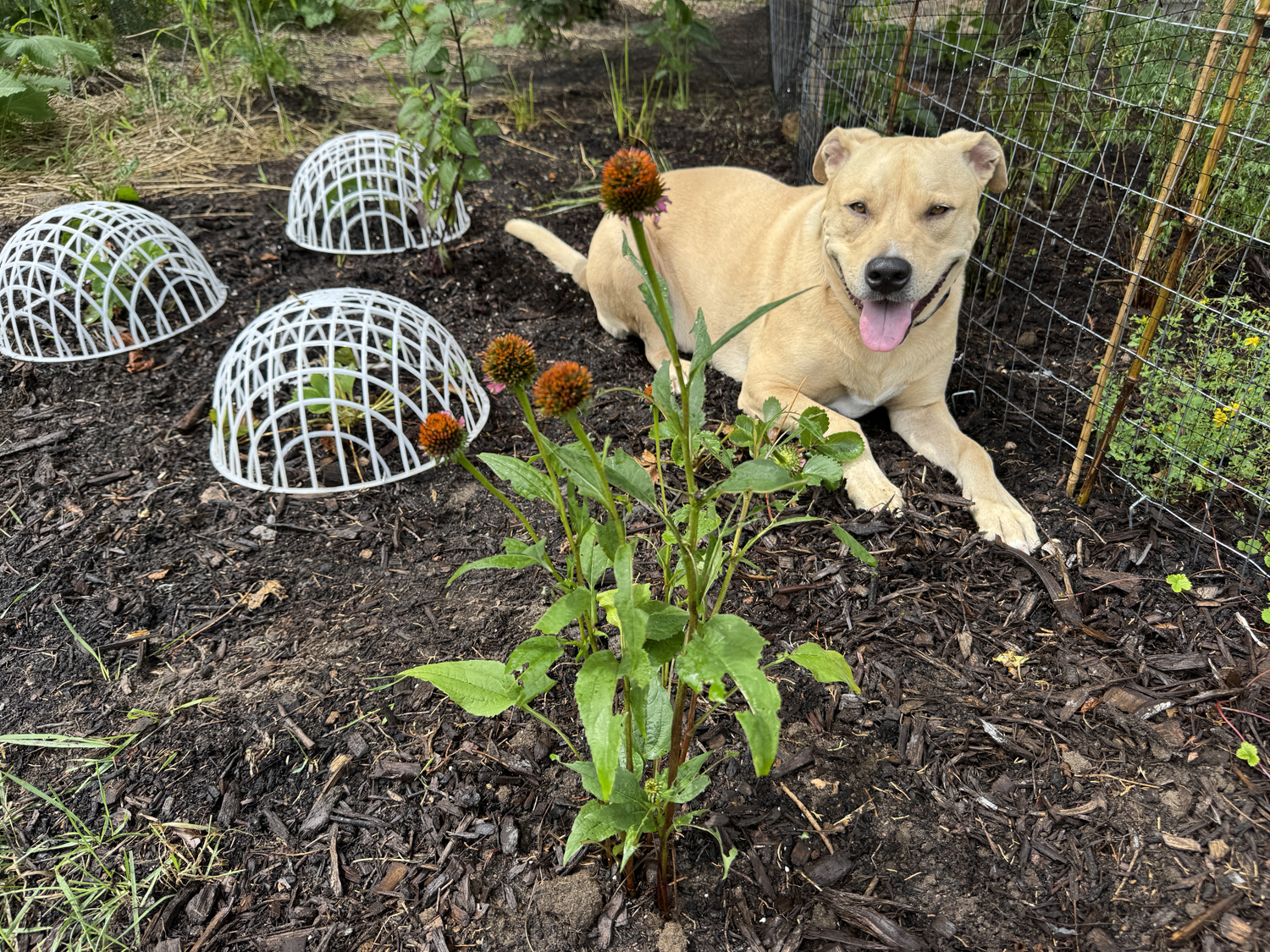 Special thanks to Jenny O’Neill and the Westport Historical Society, Bill Braun, the Westport Cultural Council, and the Helen E. Ellis Foundation for their invaluable support.